How pawn loans work
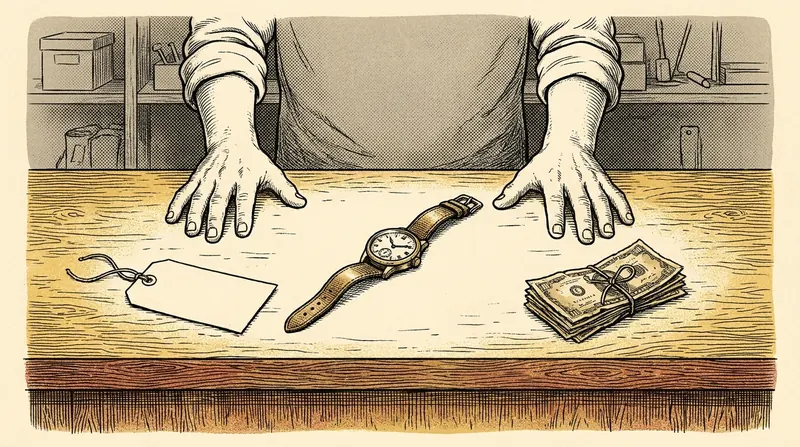
A pawn loan is a short-term loan backed by something you own. You leave the item with the shop, take the cash, and get the item back when you repay.
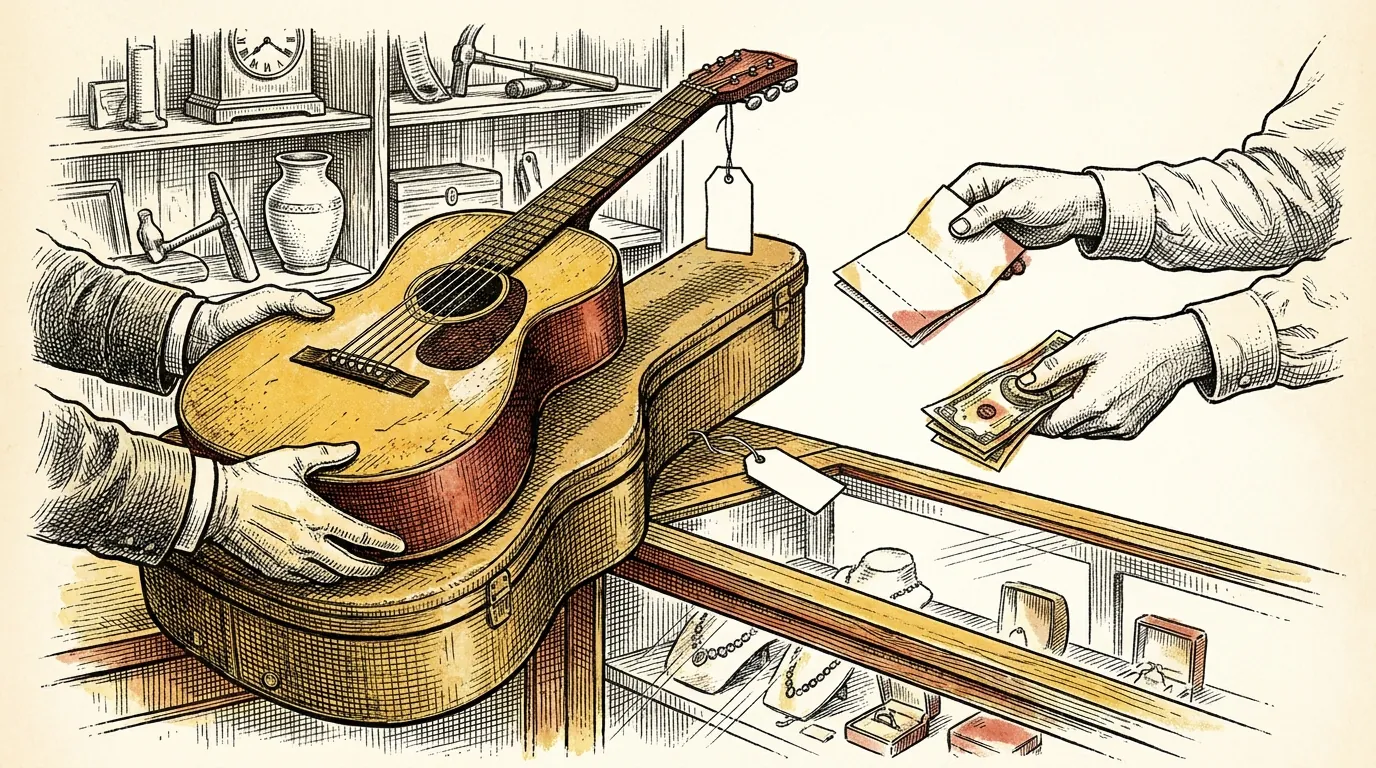
You bring in an item. The shop looks it over and offers a loan based on what it could sell the item for. If you accept, you show ID, sign the paperwork and get cash plus a pawn ticket. To get the item back, you repay the loan and the shop's fees by the due date. If you don't, the shop keeps the item and the matter typically ends there.
What a pawn loan is
Most loans are based on your income and your credit. A pawn loan is based on an object. The item you leave with the shop is the collateral, which means it secures the loan. The shop holds it in storage while the loan is open.
That is why pawn shops can lend quickly, and why the amount depends on the item rather than on you. A clean, popular, easy-to-sell item will get a better offer than something worn, rare or hard to test.
Pawning is different from selling. When you sell, the shop buys the item and you're done. When you pawn, you're borrowing, and you have the right to buy your item back by repaying. Our guide on pawning vs selling covers when each one makes sense.
How pawning works, step by step
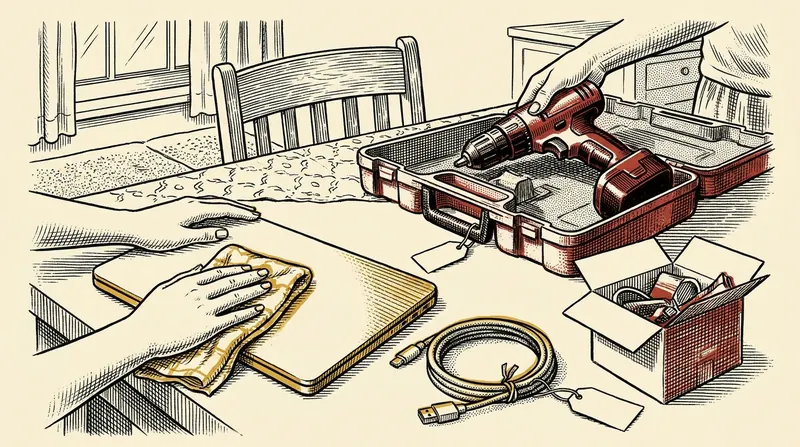
- Bring the item in. Bring anything it needs to work, such as a charger, battery, remote or case. A shop can't lend much on a laptop it can't turn on.
- The shop appraises it. Staff check the item's condition and confirm it works. For jewelry they test the metal and weigh it. For electronics and tools they power them up. Then they look at what similar items sell for.
- You get an offer. The shop tells you how much it will lend. You can accept, ask for more, or walk away. There's no obligation to take an offer.
- You show ID and sign. Shops record who pawned each item, so bring a valid government-issued photo ID. Read the terms before you sign.
- You get cash and a pawn ticket. The ticket is your receipt and your claim on the item. Keep it somewhere safe.
- You repay by the due date. You pay back the loan plus the shop's fees, and the shop returns your item.
The pawn ticket
The pawn ticket is the most important piece of paper in the deal. Before you leave the counter, check that it shows:
- a description of your item, detailed enough that you'd recognize it (brand, model, serial number for electronics, karat and weight for gold)
- the amount you borrowed
- the fees and charges, and the total you need to pay to get the item back
- the due date
- the ticket number and the shop's name and address
If anything is unclear, ask before you sign. Many shops need the ticket, or at least your ID, to release the item, so ask what happens if you lose it.
Fees and terms vary by state
A pawn loan costs money. You repay more than you borrowed, and the extra goes to the shop as interest, fees or both. How much a shop can charge, how long the loan lasts and what happens at the end are set partly by state law and partly by the shop, so they differ from place to place.
We don't publish rates, because they change by state and by shop and we can't check them for every listing. Instead, ask the shop for its terms in writing and make sure you understand the total you'll owe on the due date, not only the amount you'll walk out with.
Questions to ask before you sign:
- What is the total I'll need to pay to get my item back, and by what date?
- Can I extend the loan if I need more time? What does that cost?
- Is there a grace period after the due date?
- Can I pay part of the loan early?
- How is my item stored, and what happens if it's damaged or lost while you have it?
- Can someone else pick up the item for me?
If you need more time
Many shops let you extend or renew a pawn loan, often by paying the fees that have built up so far. The loan then gets a new due date. Whether that's possible, and on what terms, depends on the shop and the state.
If you know you'll be late, call the shop before the due date. It is much easier to sort out an extension while the loan is still open than after the item has been forfeited.
If you don't repay
If you don't repay or extend the loan in time, the item is forfeited. The shop keeps it and can put it up for sale. You lose the item, but you typically don't owe anything more.
This is the main difference from most other loans. Because the item covers the debt, a pawn shop typically doesn't send an unpaid pawn loan to a collection agency or report it to the credit bureaus. Practices vary, so if this matters to you, ask the shop directly.
It also means you should only pawn something you can afford to lose. If an item has real sentimental value, think hard about whether you're sure you can repay on time.
What you need to bring
- A valid photo ID. A driver's license, state ID or passport.
- The item, ready to test. Charged, with its charger, cables, case or batteries.
- Anything that proves what it is. The box, receipt, manual, certificate or appraisal can help the shop value it.
For a phone, tablet or laptop you plan to get back, ask the shop what it needs before you sign out of accounts or wipe anything. Our guide to preparing items to pawn or sell has the full list.
What shops will lend on
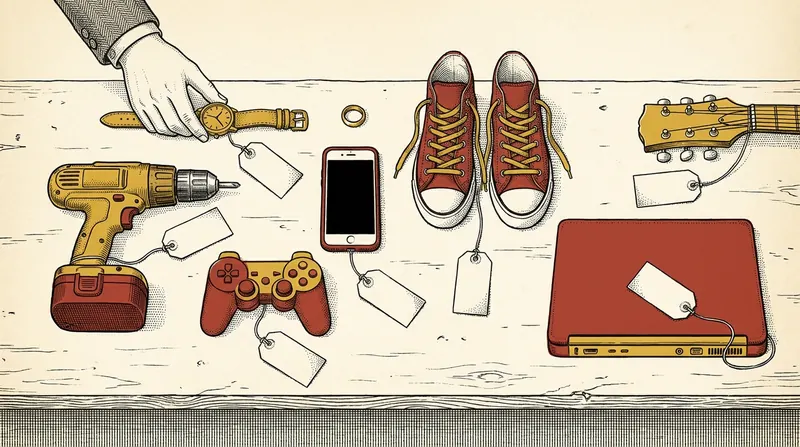
Gold and jewelry are the classic pawn item, because their value can be tested and weighed on the spot. Shops also lend on watches, tools, electronics, musical instruments, coins and more. Each shop decides what it takes, so call ahead. See what pawn shops buy for each type of item, or browse pawn shops by item.
Finding a pawn shop
Every shop in this directory passed a check that it makes pawn loans: Google files it as a pawn shop, and its name, reviews or website confirm it. Of the 6,288 listed shops, 5,753 have customer reviews that describe pawning an item or getting a loan there. 2,830 have a review or website that shows they buy gold and jewelry, and 1,551 list Sunday hours.
Quick answers
- Does a pawn loan affect my credit?
- A pawn loan is backed by your item, so shops typically don't run a credit check. If you don't repay, the shop usually keeps the item instead of sending the debt to collections. Ask the shop whether it reports anything, since practices vary.
- How long do I have to pay back a pawn loan?
- The due date is set by the shop and by state rules, and it is printed on your pawn ticket. Ask before you sign whether you can extend the loan and whether there is a grace period after the due date.
- Can I get my item back after the due date?
- Sometimes. Some shops allow an extension or have a grace period, and some don't. Once the item is forfeited, the shop can put it up for sale. Call the shop before the due date if you can't pay in full.
- What do I need to pawn something?
- The item, any charger, case or accessories it needs, and a valid government-issued photo ID. Shops record who pawned each item.
General information, not financial or legal advice. Pawn loan terms, fees and rules vary by state and by shop; ask the shop for its terms in writing.