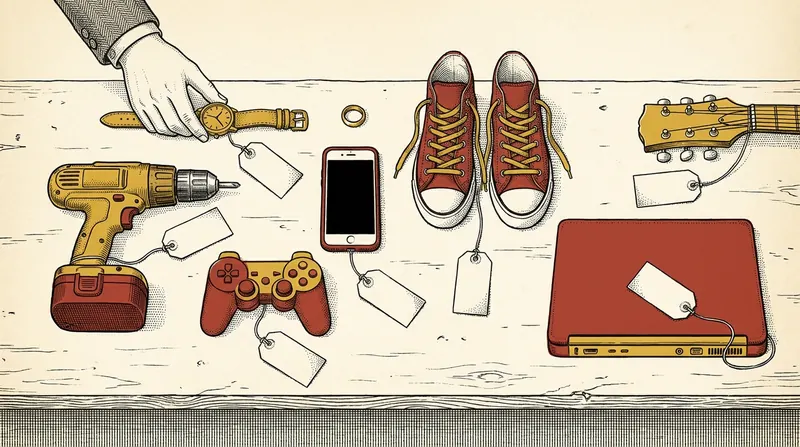
How to prepare items to pawn or sell
Ten minutes at home can mean a better offer and a shorter wait at the counter. Here's what to do for each kind of item.
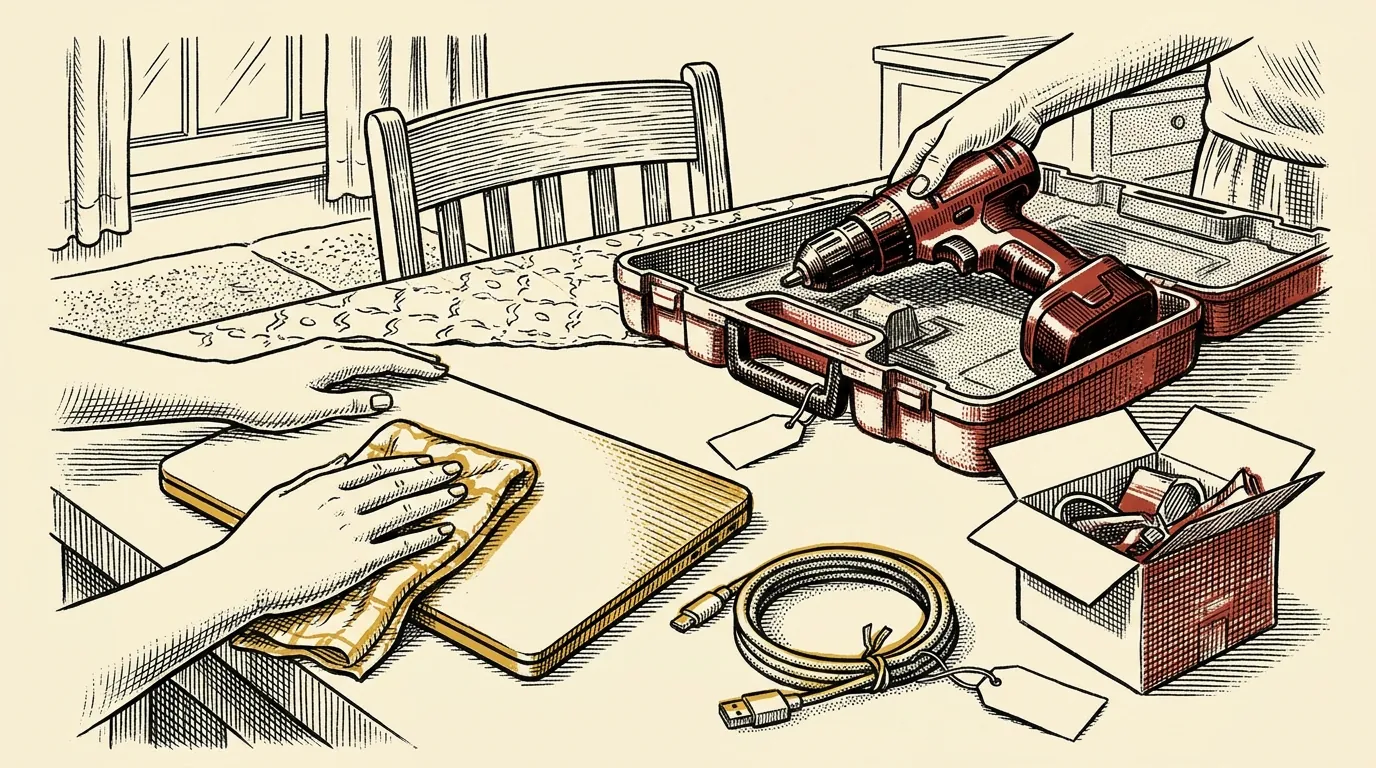
A pawn shop prices an item on what it can see and test at the counter. Anything that makes that easier works in your favor: a clean item, a charged battery, the right cable, the original box. Anything that makes it harder, like a locked phone or a missing charger, can lower the offer or stop the deal.
- Decide whether you want to pawn or sell.
- Clean the item.
- Gather chargers, cables, batteries, cases, boxes, manuals and receipts.
- Back up devices, sign out of accounts and remove SIM and memory cards.
- Charge anything with a battery.
- Look up the brand, model and what it sells for used.
- Bring a valid photo ID.
- Call ahead.
Decide: pawn or sell?
Know which one you want before you go, because it changes how you prepare. If you're selling, you'll reset devices and hand over everything. If you're pawning and want the item back, you may want to keep your data on it. A sale offer is usually higher than a loan, but you don't get the item back. Our guide on pawning vs selling walks through the choice.
Clean it
A clean item looks cared for and is easier to inspect. Wipe down screens and cases, blow dust out of vents and keyboards, and wipe grime off tools. Clean a guitar's body and fretboard and put on fresh strings if the old ones are rusty. Use cleaners that are safe for the material.
Two exceptions: don't polish old coins, since cleaning can lower what collectors pay, and don't try to repair anything you're not sure how to fix. Let the shop see it as it is.
Find the extras
Accessories make an item easier to test and resell, and that often shows up in the offer. Look for:
- Chargers and cables. A laptop or cordless tool the shop can't power up is hard to value.
- Batteries. For cordless tools, bring every battery and the charger.
- Remotes, controllers and lenses for TVs, consoles and cameras.
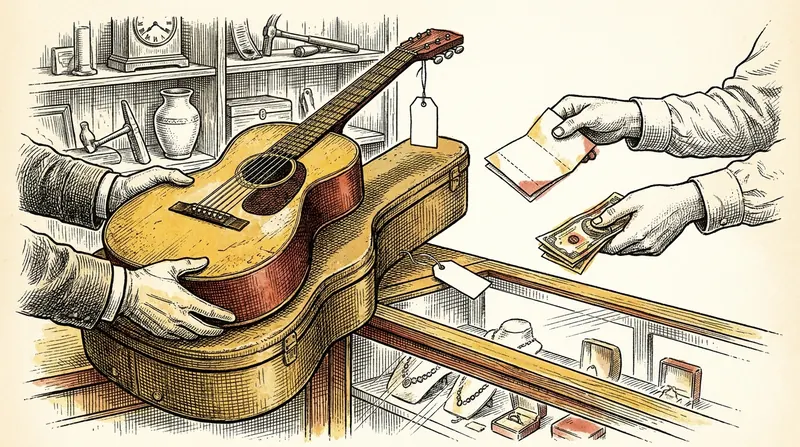
- Cases. A hard case for a guitar or a tool kit adds value.
- Boxes, manuals and receipts. Especially for watches, designer bags and jewelry, where paperwork helps show the item is genuine.
- Certificates and appraisals for diamonds and fine jewelry.
A receipt in your name also shows the item is yours, which can make the process smoother.
Phones, laptops, tablets and consoles
Electronics need the most preparation, because a shop can't accept a device that's still locked to your account.
- Back up your data. Photos, contacts, files and game saves.
- Sign out of every account. Your Apple ID or Google account, email, cloud storage, app stores, game networks and streaming apps.
- Turn off the find-my-device lock. On iPhones, iPads and Macs this is Find My; on Android phones it's tied to your Google account. If it's left on, the next owner can't set up the device.
- Remove your SIM card and any memory card.
- Factory reset the device if you're selling it.
- Charge it so the shop can turn it on and test it.
If you're pawning a device and plan to get it back, ask the shop what it needs before you wipe anything. It may only need you to unlock the device and show that it works.
Tools
Charge every battery the night before. Bring the charger, blades, bits and the case or bag if you have it. Make sure the tool runs. A full kit in its case usually gets a better look than a loose drill in a bag.
Musical instruments
Tune it so the shop can hear it at its best, and bring the case, power supply, cables and any pedals or extras. For amplifiers and keyboards, bring the power cord. Know the brand, model and year if you can find them.
Gold, jewelry and watches
Sort gold by karat and set plated pieces aside. Our gold guide explains how to read the stamps. For watches, bring the box, papers and any service records. Make sure the watch runs. Give jewelry a gentle wipe, but don't scrub stones or try to remove scratches.
Do your homework
Find the exact brand and model, then look up what it sells for used. Online listings of sold items are the best guide. This gives you a realistic expectation and helps you judge an offer. Remember the shop has to resell the item at a profit, and a loan offer is usually lower than a sale offer.
Bring ID
Pawn shops ask for a valid government-issued photo ID, such as a driver's license, state ID or passport, and record who brought each item in. Without it, the shop can't take your item.
Call ahead
A short call can save a wasted trip. Ask:
- Do you take this kind of item right now?
- Is the person who appraises it in today?
- What are your hours today?
- For gold: what do you pay per gram for my karat?
Hours change, especially on weekends and holidays. In this directory, 1,551 of the 6,288 listed shops (25%) list Sunday hours on Google. Find them on pawn shops open on Sundays.
Quick answers
- Should I factory reset my phone before selling it to a pawn shop?
- Yes, if you are selling it. Back it up, sign out of your accounts, turn off any find-my-device lock, remove the SIM and memory card, then reset it. If you are pawning it and plan to get it back, ask the shop what it needs instead of wiping it.
- Do I need ID to pawn or sell something?
- Yes. Pawn shops ask for a valid government-issued photo ID, such as a driver's license, state ID or passport, and record who brought each item in.
- Will cleaning an item get me a better offer?
- It often helps. A clean item is easier to inspect and resell. The exception is old coins: don't clean or polish them, because cleaning can lower what collectors will pay.
General information, not financial or legal advice. Pawn loan terms, fees and rules vary by state and by shop; ask the shop for its terms in writing.