Pawn or sell?
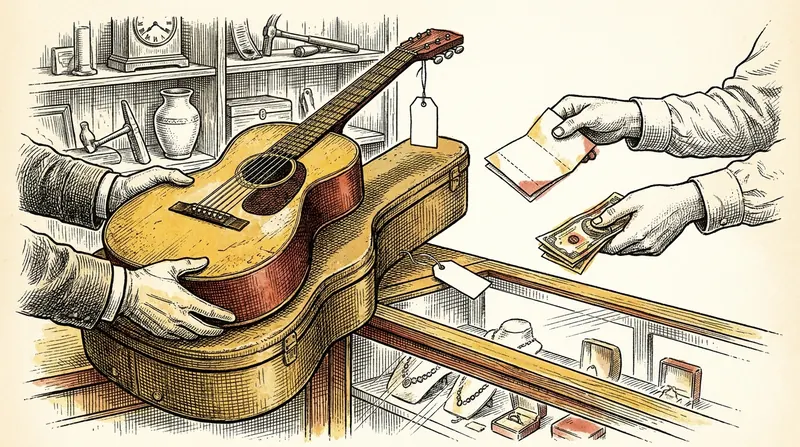
At a pawn shop you can usually do one of two things with an item: borrow against it or sell it. The right choice depends on whether you want the item back.
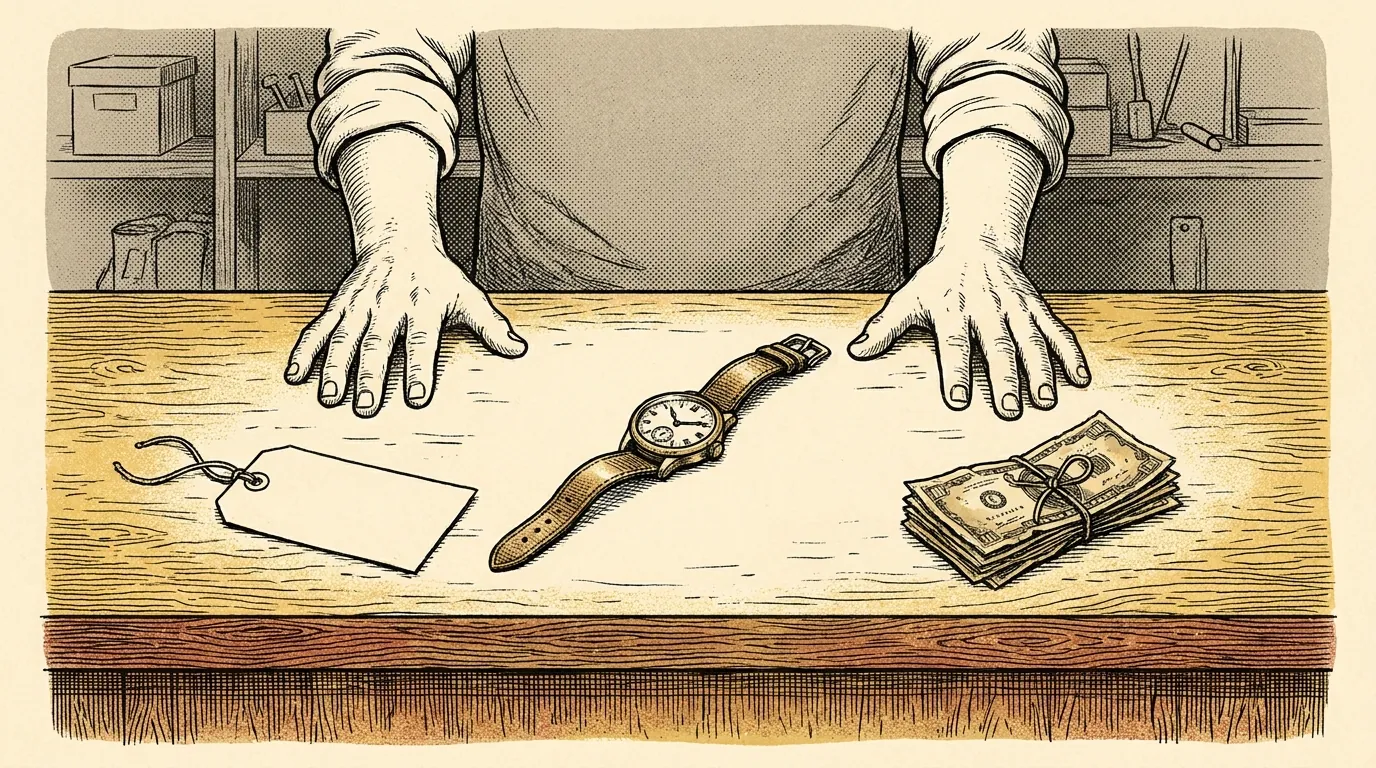
Pawn if you want the item back and you're confident you can repay the loan and fees by the due date. Sell if you don't need the item back and want the most cash now. A sale offer is usually higher than a loan offer on the same item.
How each option works
| Pawn | Sell | |
|---|---|---|
| What it is | A short-term loan, with your item as collateral | A sale; the shop buys the item |
| Do you get the item back? | Yes, when you repay the loan and fees on time | No |
| Do you owe anything later? | Yes, the loan plus the shop's fees, by the due date | No |
| If you don't repay | The shop keeps the item; typically nothing more is owed | Not relevant |
| Cash you get | Usually less than a sale offer | Usually more than a loan offer |
| What you need | Photo ID, the item, accessories | Photo ID, the item, accessories |
Both start the same way. You bring the item in, the shop checks it, and you get an offer. Many shops will quote both a loan amount and a purchase price if you ask. The full mechanics of a loan are in how pawn loans work.
Why a sale usually pays more than a loan
When you sell, the shop owns the item outright. It can clean it, price it and put it on the shelf the same day. When you pawn, the shop has to hold the item for the length of the loan, and it doesn't know yet whether it will get its money back from you or from selling the item. So a loan offer is usually lower than a sale offer on the same item.
How big the gap is varies by shop and by item. Ask for both numbers. Seeing them side by side makes the choice much easier.
When pawning makes sense
- You want the item back. A tool you use for work, an instrument you play, a ring that matters to you.
- The cash need is short-term. You know when the money to repay is coming, such as a paycheck or a refund.
- You can cover the full cost. You've asked for the total you'll owe on the due date, not only the amount you borrow, and you're confident you can pay it.
- The item is worth more to you than its resale price. Family jewelry, for example, can be impossible to replace.
A pawn loan doesn't typically involve a credit check, and if you can't repay, the shop keeps the item rather than chasing you for the money. That makes it a simple option, but the cost is real: you pay fees for the loan, and you lose the item if you miss the deadline. Fees and terms vary by state and by shop, so ask for them in writing.
When selling makes sense
- You don't need the item back. Old phones, tools you no longer use, a guitar that sits in the closet.
- You want the most cash now. A sale offer is usually higher.
- You're not sure you can repay on time. If you'd likely lose the item anyway, selling gets you more for it and avoids the loan fees.
- The item is losing value. Electronics in particular are worth less each year, so holding on to them rarely helps.
- It's scrap or broken jewelry. Broken chains, single earrings and outdated pieces are often worth more sold for their gold.
Gold and jewelry: a special case
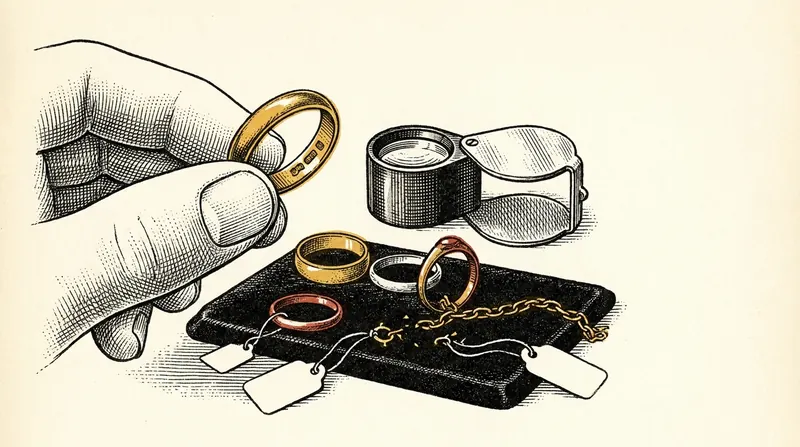
Gold is the easiest thing to value at a pawn shop. Its worth comes from its weight and purity, which can be tested at the counter. For scrap gold, the sale offer and the loan offer both start from the same gold value, so it comes down to whether you want the piece back.
For finished jewelry such as a branded piece or a ring with a diamond, the shop may value the design or the stone on top of the gold. Ask how each piece was valued. Our guide on how to sell gold at a pawn shop explains karat stamps, weight and the spot price. You can also find pawn shops that buy gold: 2,830 listed shops have a customer review or their own website showing they do.
Questions to ask before you decide
- What would you lend, and what would you pay to buy it? Get both numbers.
- If I pawn it, what is the total to get it back, and when is it due?
- Can I extend the loan if I need to? What does it cost?
- Could I turn the pawn into a sale later? Some shops allow it.
- How did you arrive at the offer? For gold, ask the karat and weight they used.
You don't have to accept the first offer. Offers differ between shops, so if you have time, try two or three.
Get several offers
Different shops want different things. A shop that sells a lot of tools may pay more for a drill set; a shop with a busy jewelry case may want your gold. Calling ahead saves trips. Of the 6,288 listed shops in this directory, 2,181 have a customer review that describes selling or pawning gold or a specific item there, and every shop page shows what its reviews and website say it deals in.
Quick answers
- Do pawn shops pay more if you sell instead of pawn?
- Usually, yes. A sale offer is typically higher than a loan offer on the same item, because when you sell the shop owns the item outright and can resell it right away. Ask the shop to quote both.
- Can I pawn something and then sell it to the shop later?
- Often you can. Some shops will let you turn a pawn into a sale before the due date. Ask how they would handle it and get the numbers before you agree.
- Is it better to pawn or sell gold?
- Pawn if you want the piece back and are sure you can repay on time. Sell if you don't need it back, such as broken chains or single earrings. Either way, know the karat and weight before you go.
General information, not financial or legal advice. Pawn loan terms, fees and rules vary by state and by shop; ask the shop for its terms in writing.